Skip to content
Plastay Kimya
PVC technologies and material science

KNOWLEDGE CENTRE

Blog

Technical articles on PVC technologies, plasticizers, stabilizers and sustainable production.
Technical knowledge, practical insight.

Review of the Year: Plastay's Technical Developments

Review of the Year: Plastay's Technical Developments

Throughout 2025, as Plastay, we have made significant technical improvements in the areas of production, process management and sustainability. This year has passed with critical steps that increased quality efficiency and customer satisfaction.

Read more
How to Choose the Right PVC Compound Supplier?

How to Choose the Right PVC Compound Supplier?

A quality PVC compound directly affects production speed, product performance and costs. Therefore, supplier selection is a strategic decision.

Read more
Effect of Plasticizers on Mechanical Properties

Effect of Plasticizers on Mechanical Properties

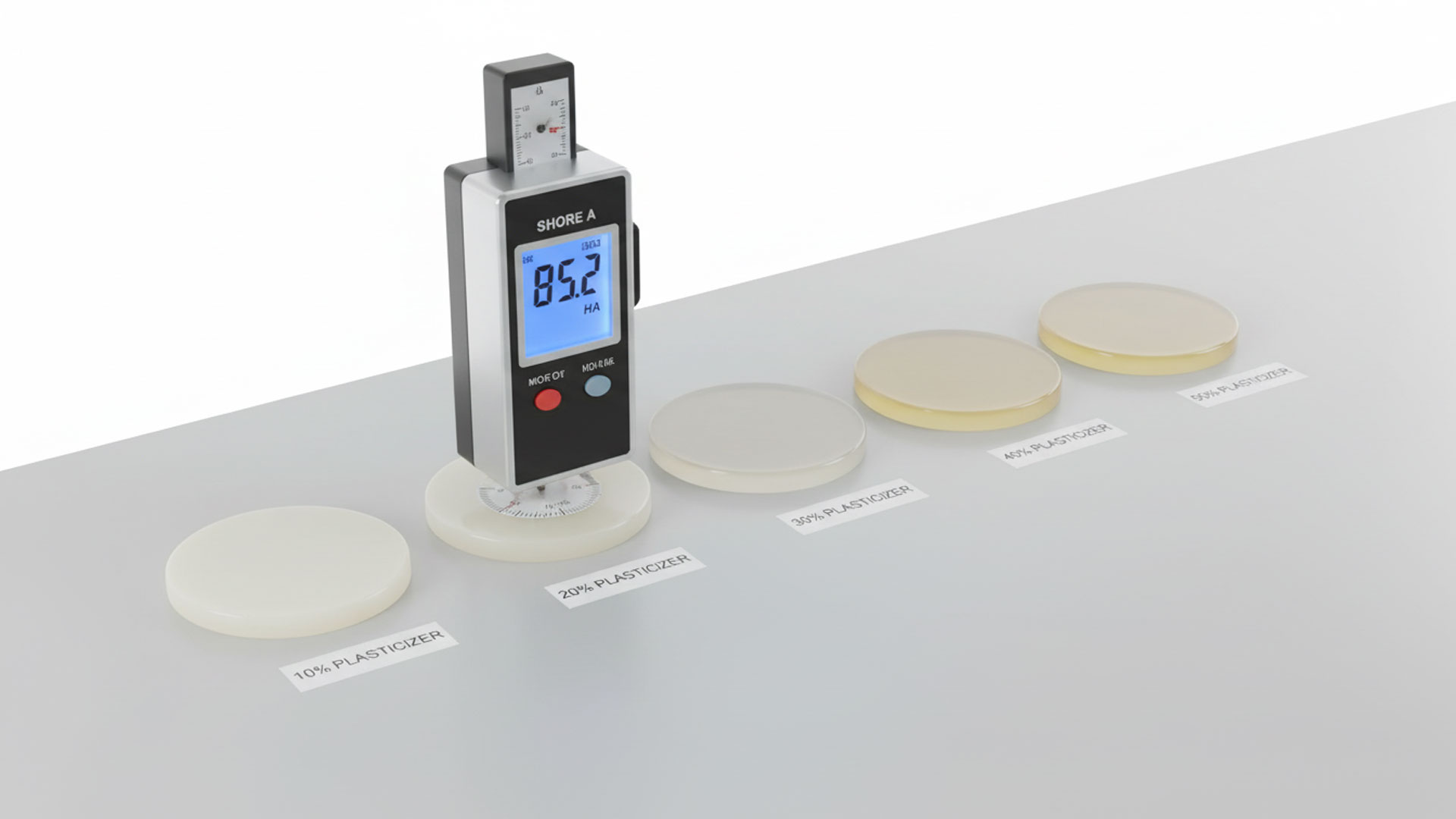
All basic mechanical properties of PVC, such as flexibility, strength, impact resistance and processability, directly depend on the choice of plasticizer. The right plasticizer, the right ratio and the right process — determine the performance of the material.

Read more
The Future of Sustainable PVC Additives

The Future of Sustainable PVC Additives

PVC additive technologies are in a major transformation in terms of both performance and environmental impact. Reducing carbon footprint and regulatory compliance determines the new generation of additives.

Read more
Global Trends in Plasticizers

Global Trends in Plasticizers

The PVC industry is experiencing a rapid transformation with regulations, sustainability expectations and new generation technologies. The need to reduce environmental impact in plastic products directly shapes plasticizer trends.

Read more
Color Stability and Process Improvement Techniques in PVC Compounds

Color Stability and Process Improvement Techniques in PVC Compounds

Color stability in PVC compounds; It depends on many factors such as stabilizer type, pigment compatibility, processing temperature and plasticizer selection. Color change, burning and surface defects are critical problems for manufacturers.

Read more
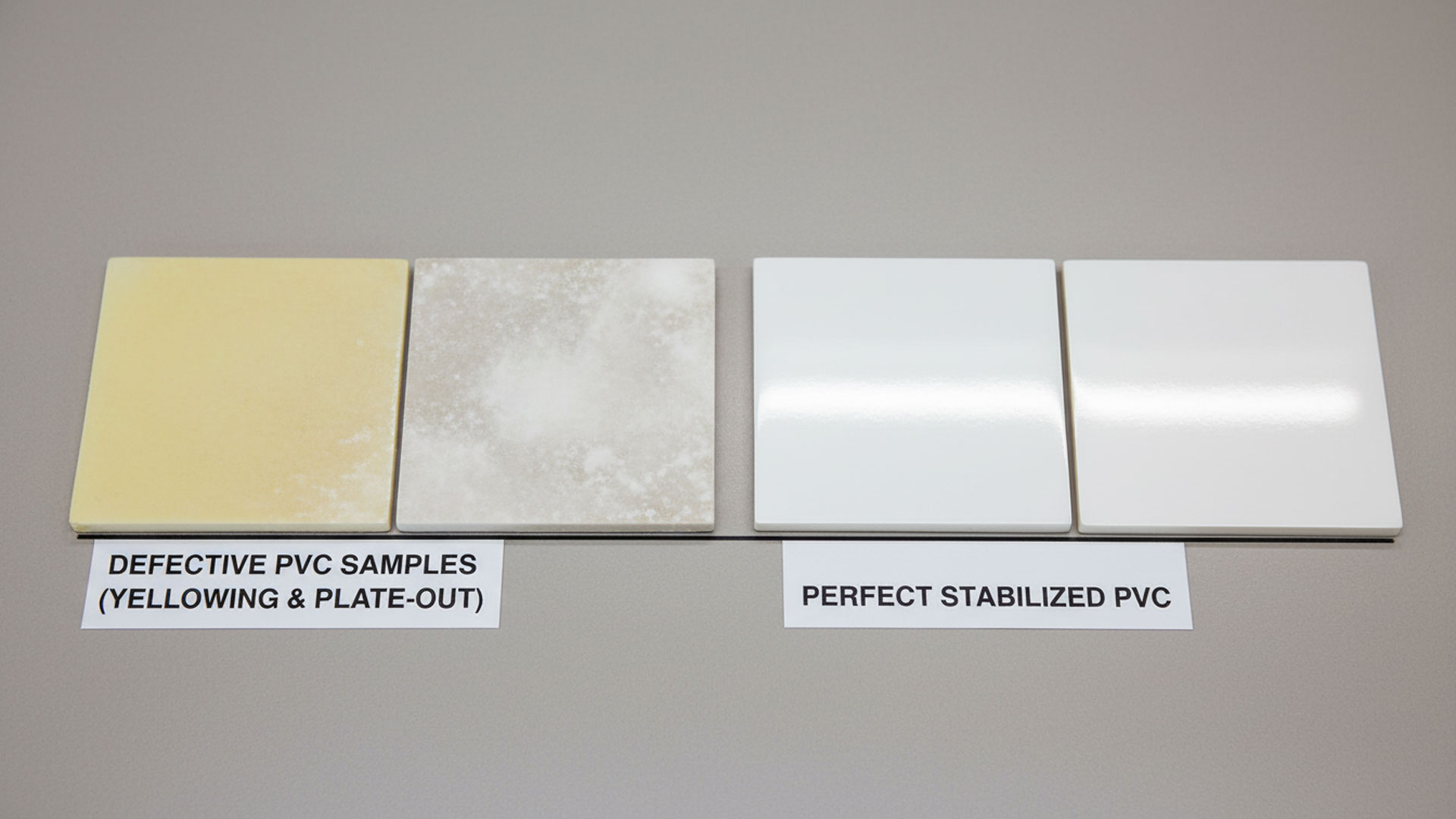
PVC Stabilizer Errors and Solution Methods

PVC Stabilizer Errors and Solution Methods

Stabilizer selection and dosage are critical in PVC production. Use of wrong stabilizer; It may cause problems such as color change, burning, plaque formation, odor and mechanical performance decrease.

Read more
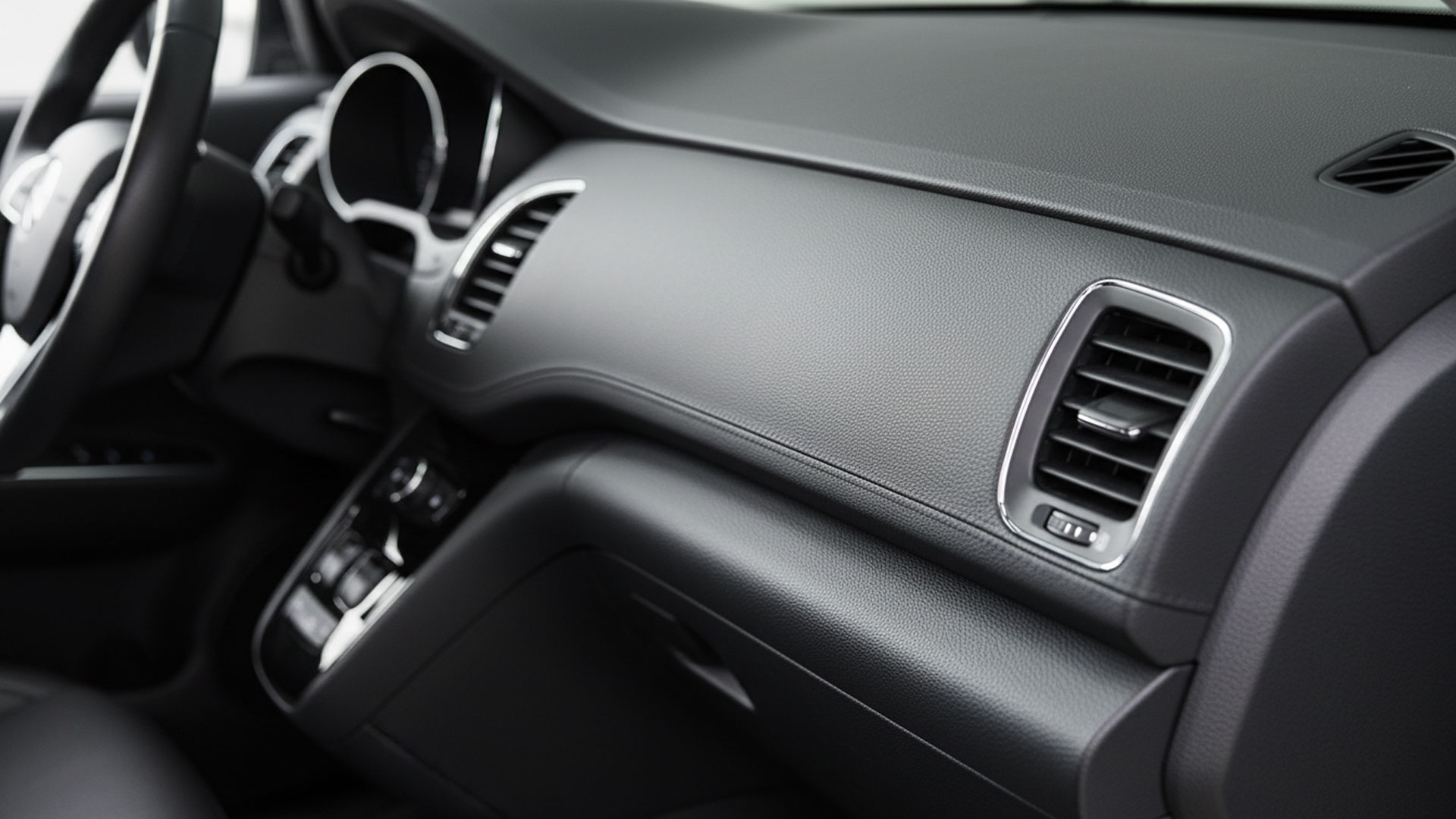
PVC Use in Automotive Applications

PVC Use in Automotive Applications

PVC is one of the most flexible materials used in both interior and exterior components in the automotive industry. It has a wide usage area in the industry thanks to its low cost, high strength and formulation diversity.

Read more
PVC Hoses: Material Selection Guide

PVC Hoses: Material Selection Guide

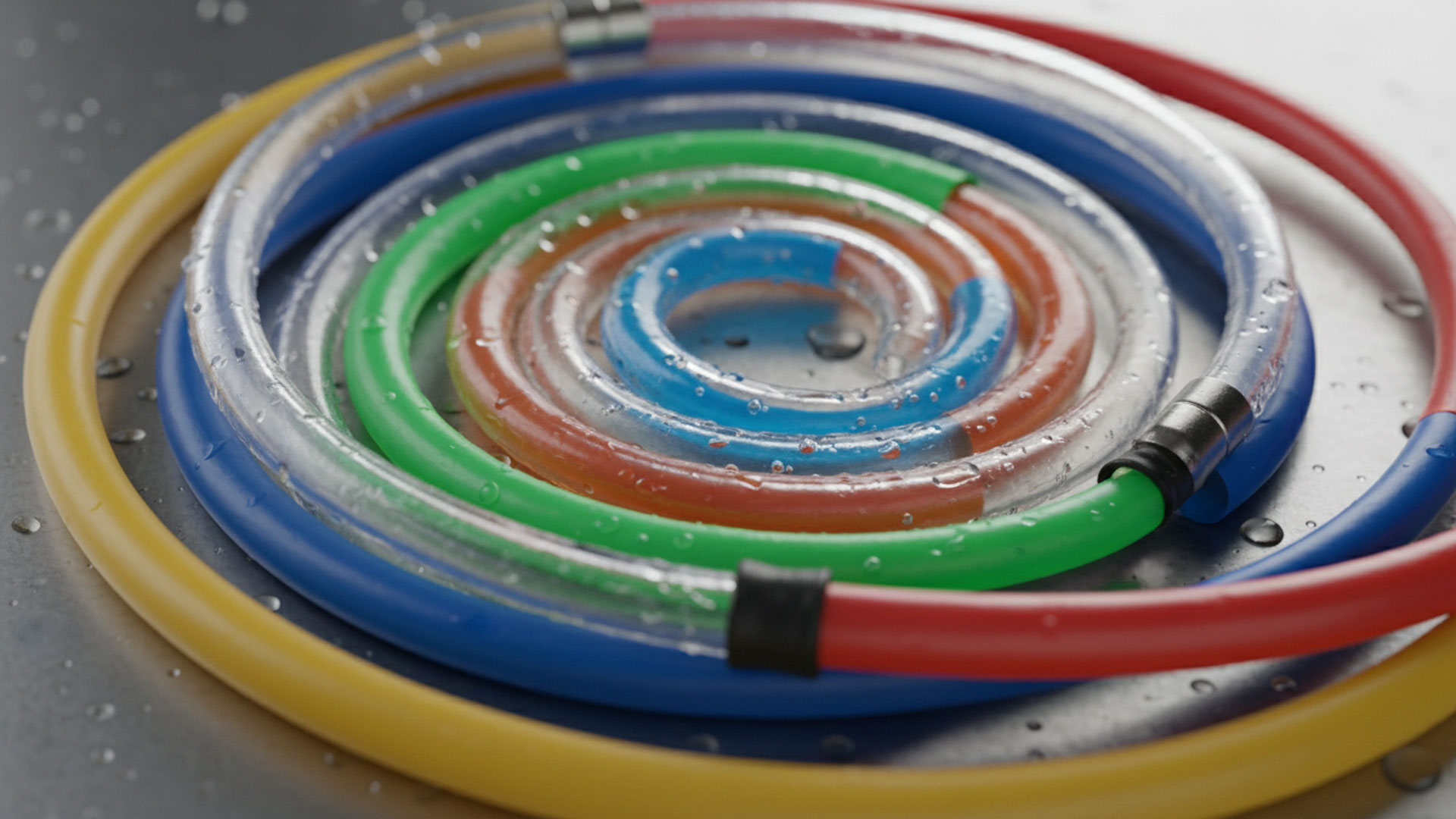
PVC hoses; It is widely used in industry, agriculture, automotive, construction and household applications. Performance of the hose; It is shaped according to material components such as plasticizer type, PVC resin quality, stabilizer structure and reinforcement type.

Read more
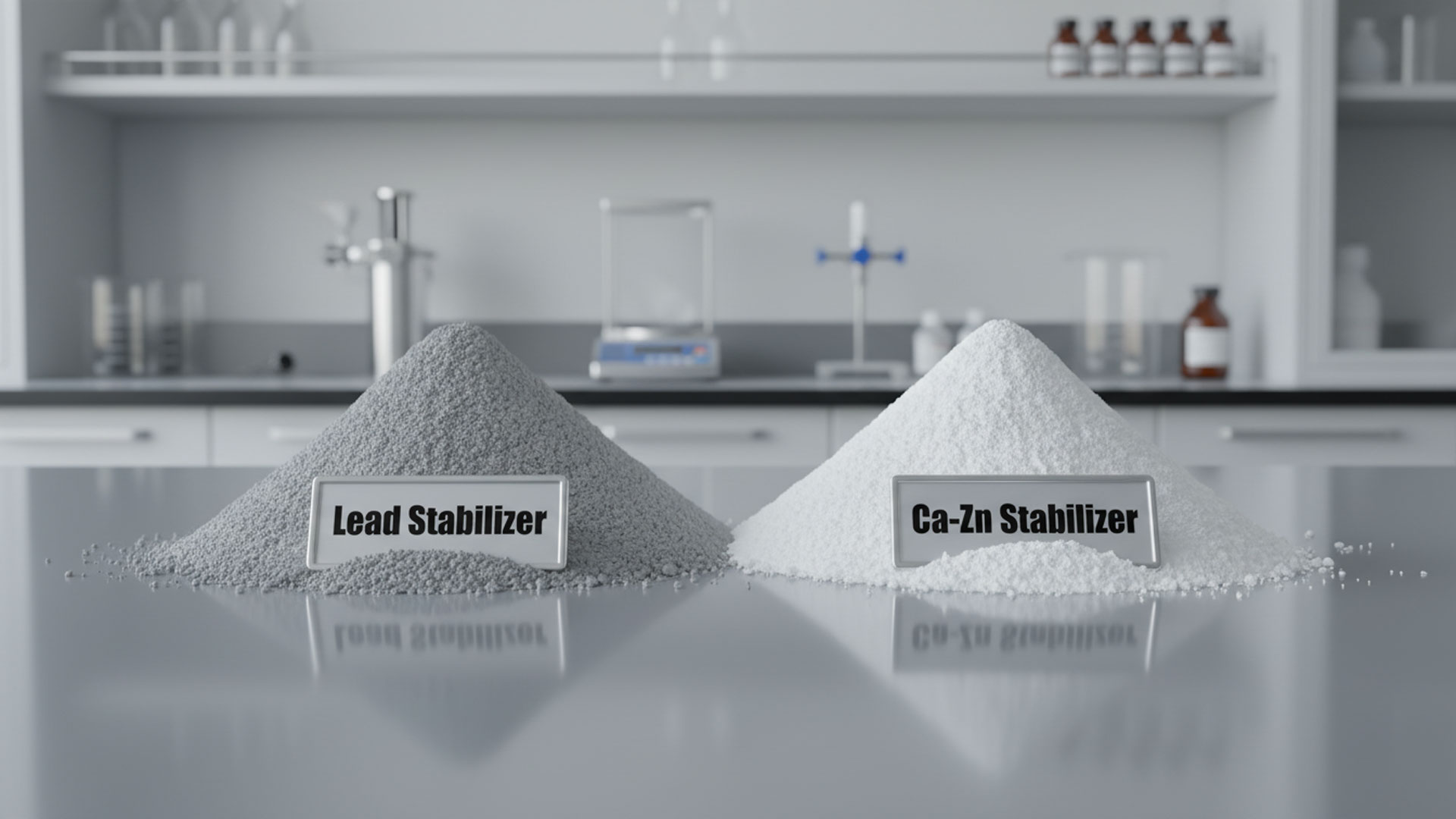
Why Are Ca-Zn Stabilizers Replacing Lead-Based Stabilizers?

Why Are Ca-Zn Stabilizers Replacing Lead-Based Stabilizers?

Lead-based stabilizers have been used in PVC stabilization for many years. However, due to increasing regulations, impacts on human health and sustainability requirements, Ca-Zn stabilizers have become the global standard.

Read more
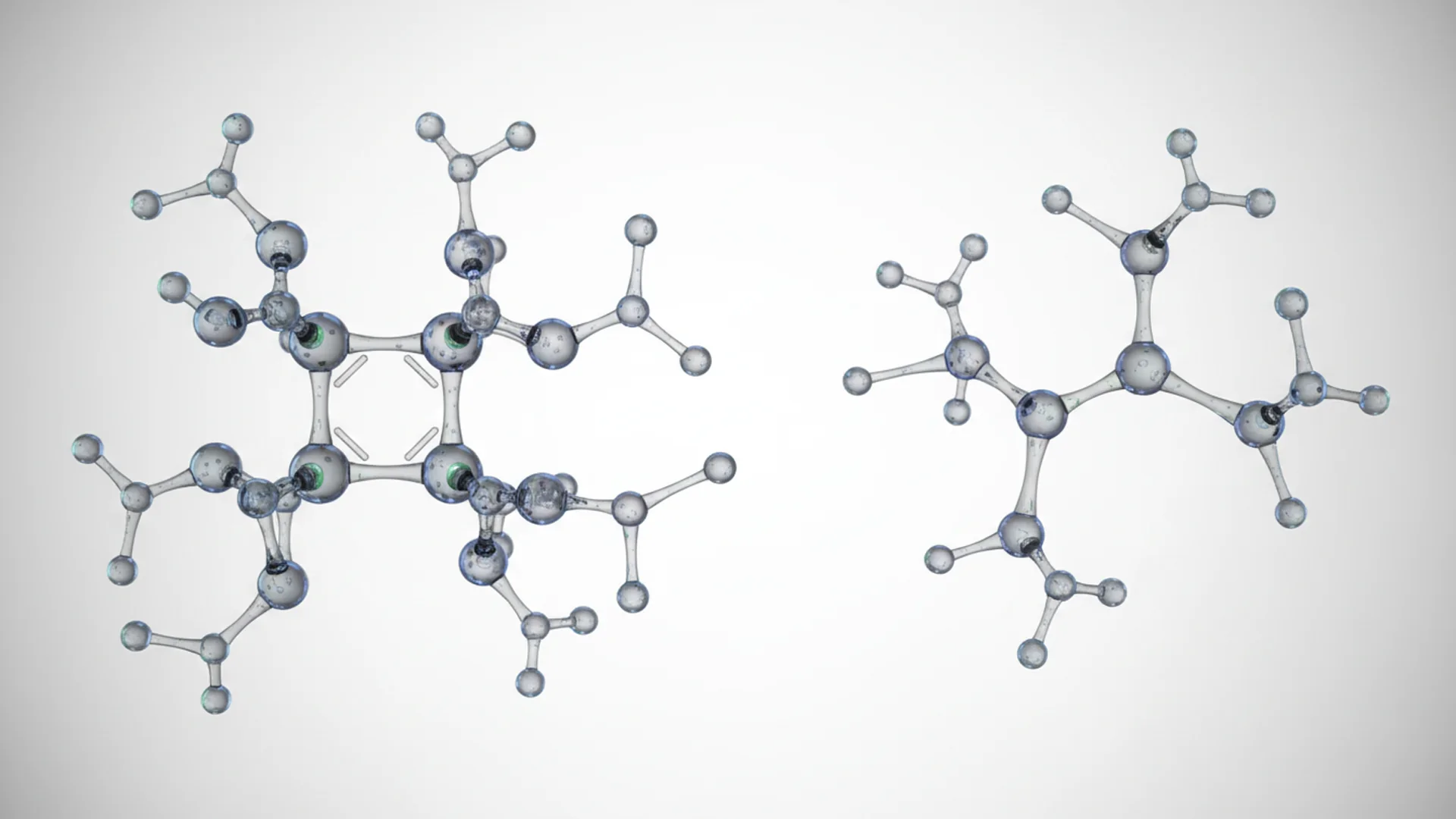
DOTP vs DINP vs DOP — Technical Comparison

DOTP vs DINP vs DOP — Technical Comparison

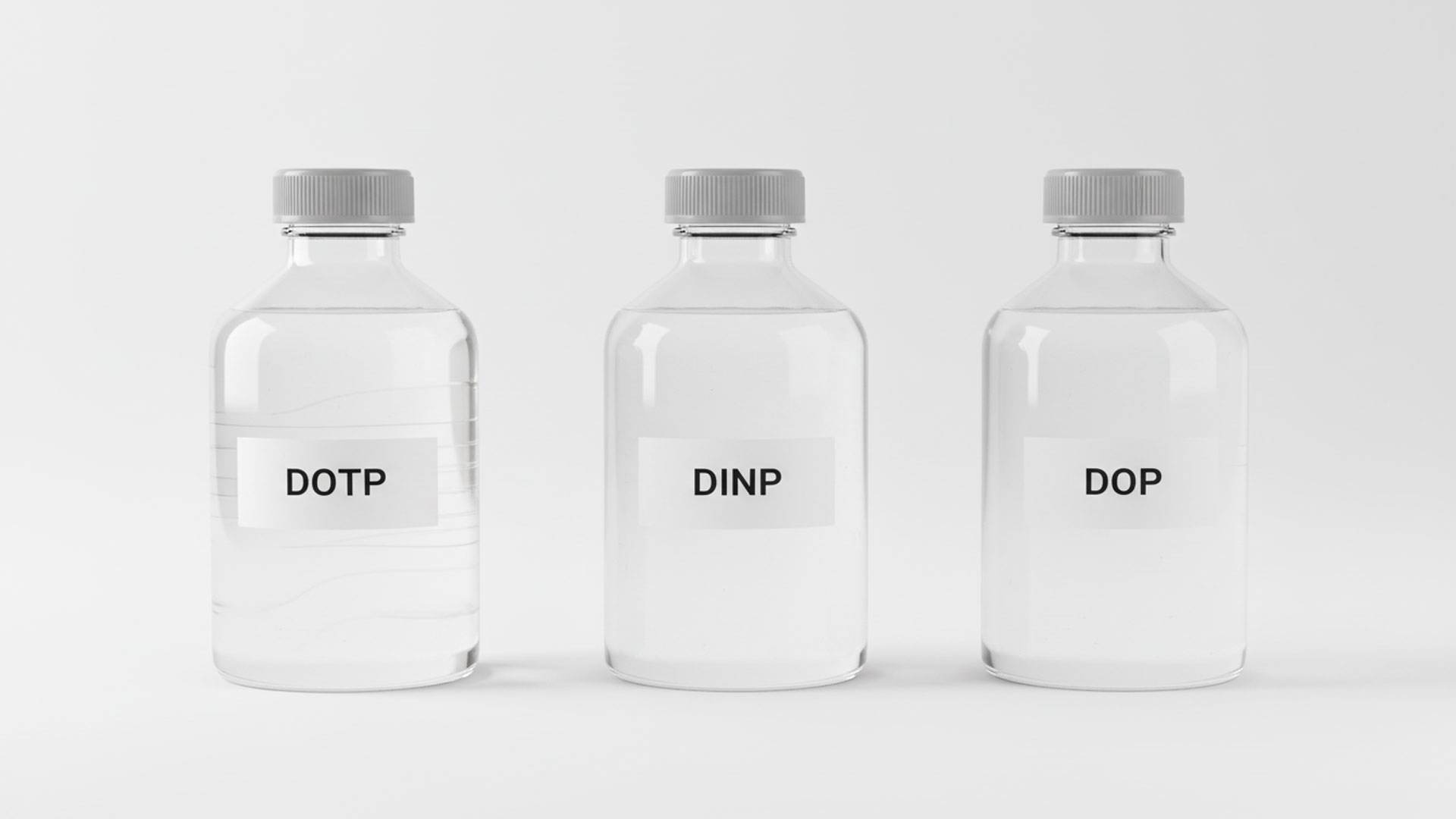
The three most used plasticizers in the PVC industry are: DOTP, DINP and DOP (DEHP). Each has a different performance profile, cost advantage and regulatory status. In this article, we technically compare three plasticizers.

Read more
How Does Plastay Reduce the Environmental Impact in Production?

How Does Plastay Reduce the Environmental Impact in Production?

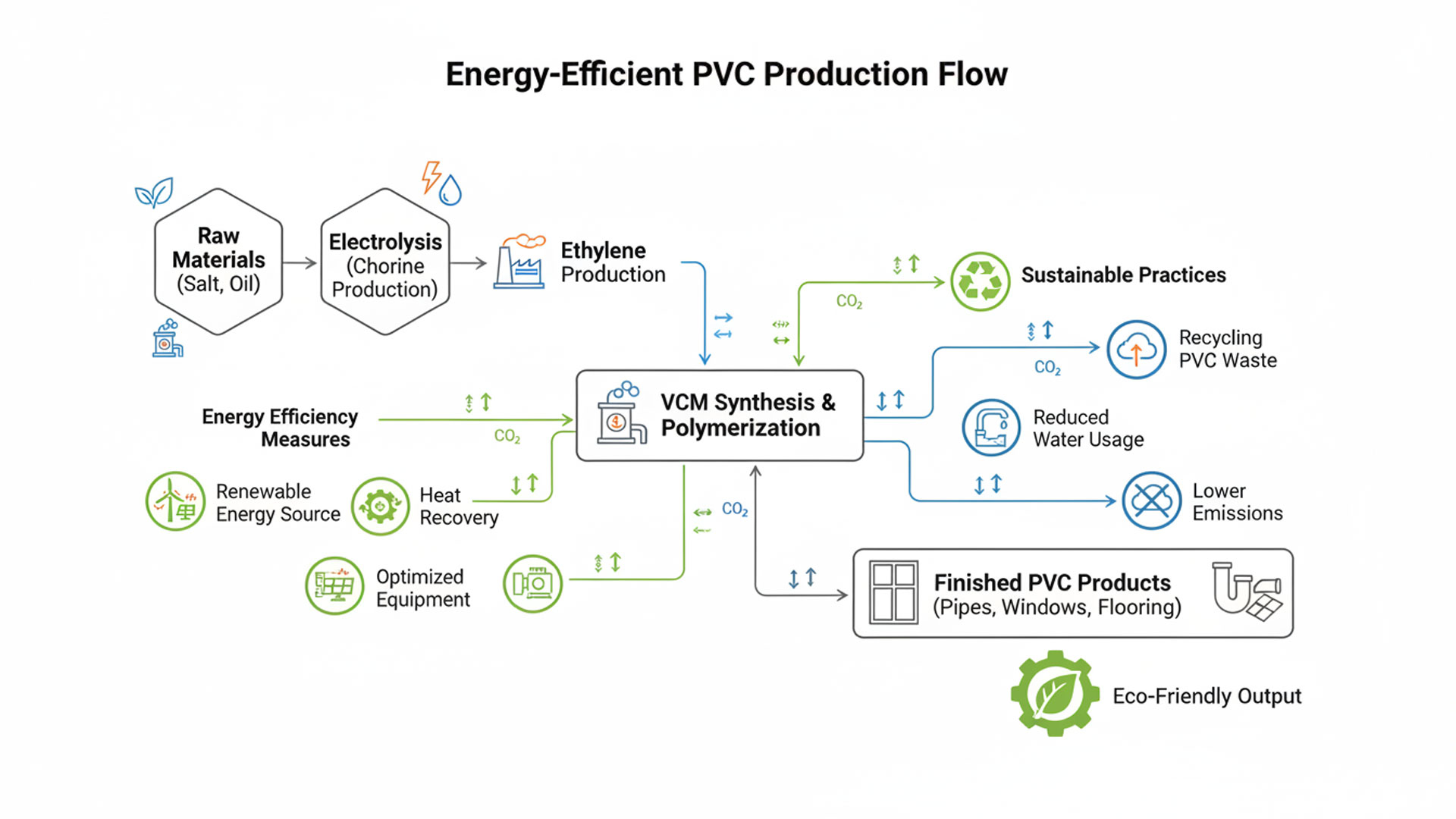
As Plastay Kimya, our sustainable production approach is at the center of all our operations. We set an exemplary model in the industry with energy efficiency, waste control and environmental management.

Read more
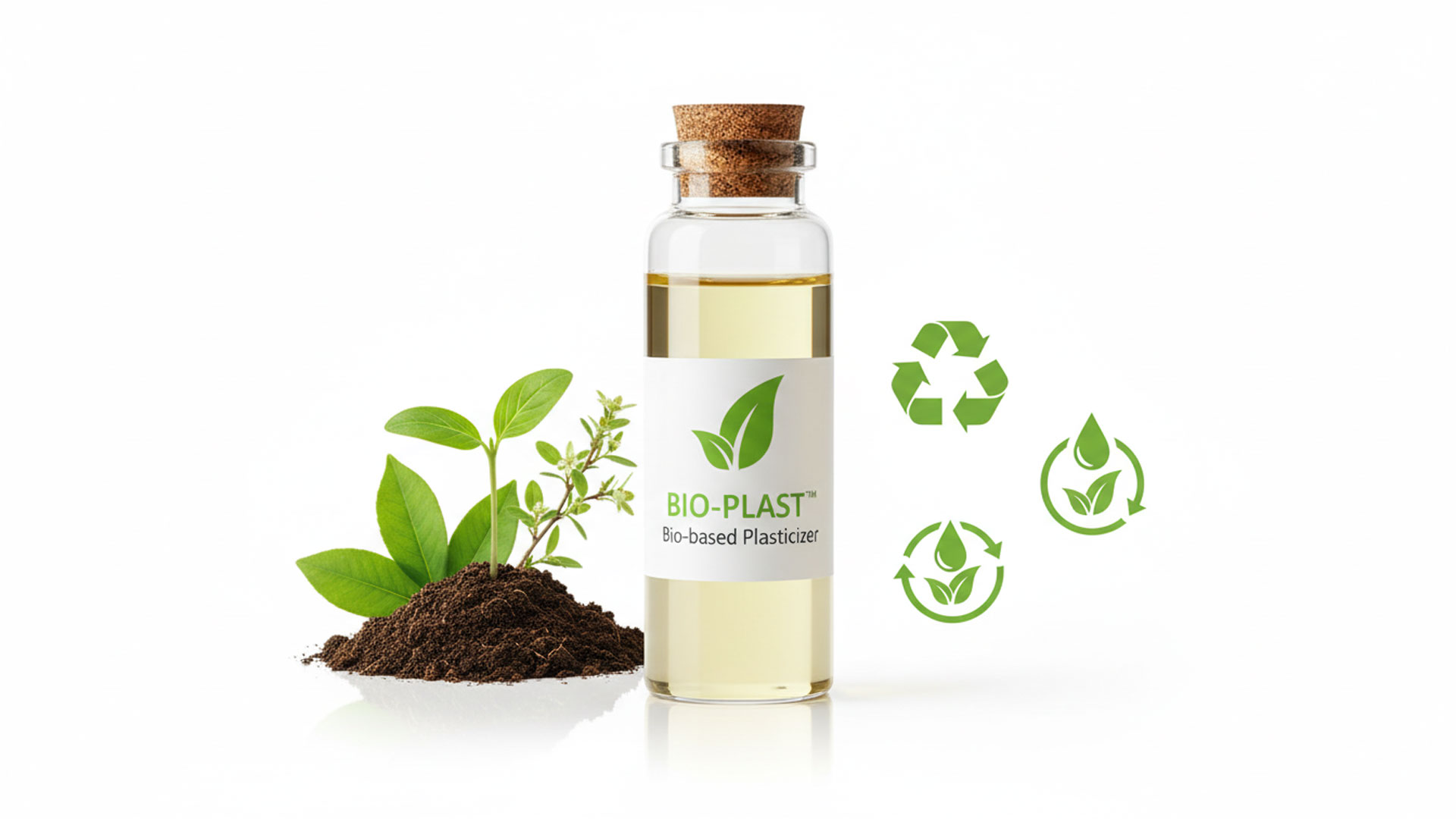
Sustainability in Plasticizers

Sustainability in Plasticizers

Sustainability in the chemical industry is no longer a choice, it is a necessity. Plasticizer manufacturers; It is turning to solutions that reduce carbon footprint, are non-toxic and minimize long-term environmental impacts.

Read more
Flame Retardant PVC Compounds

Flame Retardant PVC Compounds

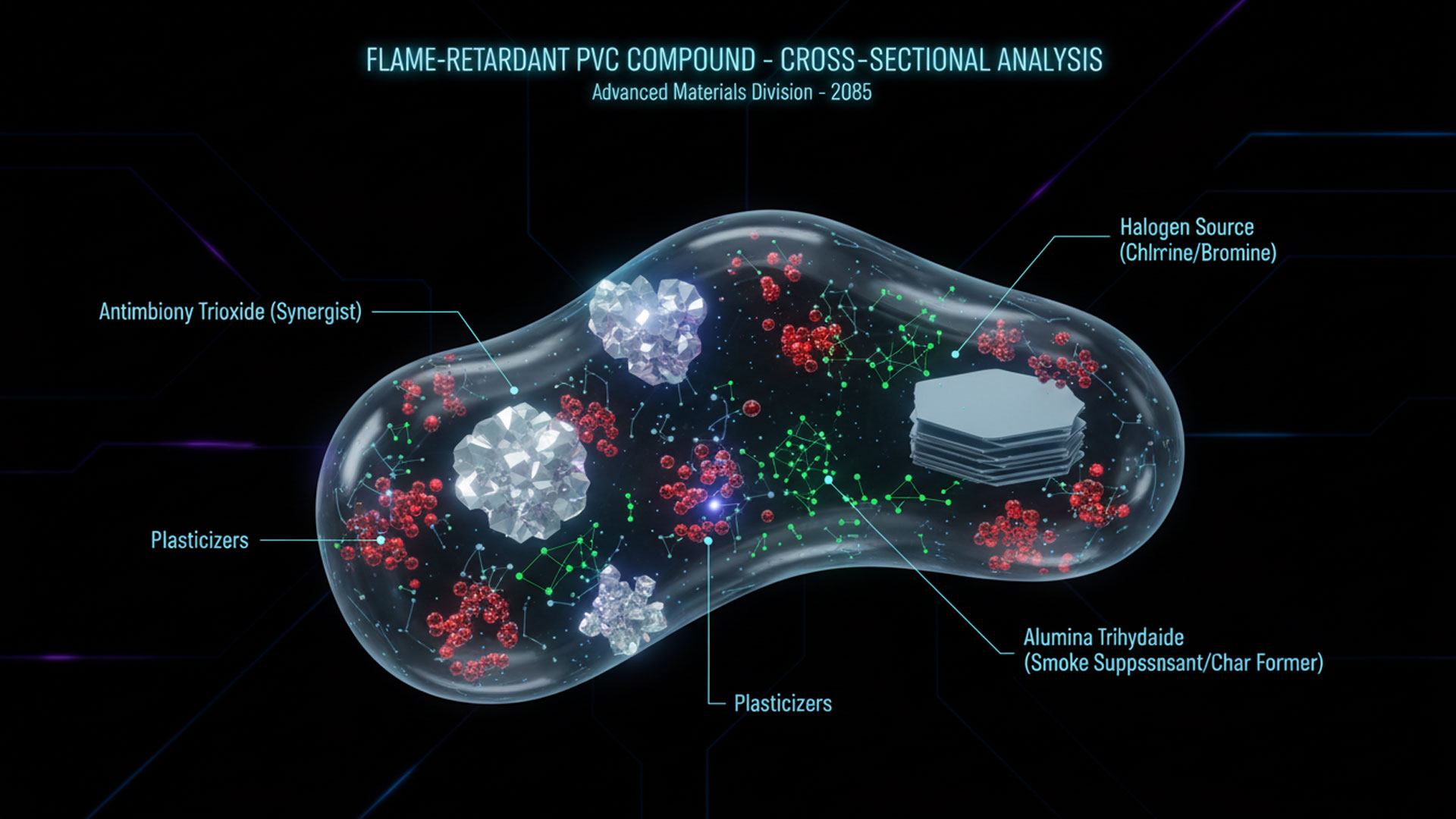
Flame retardant PVC compounds are used to reduce the risk of fire in the cable, automotive and construction industry. These compounds contain additives that slow down flame spread and control smoke formation.

Read more
PVC Cable Compound Properties

PVC Cable Compound Properties

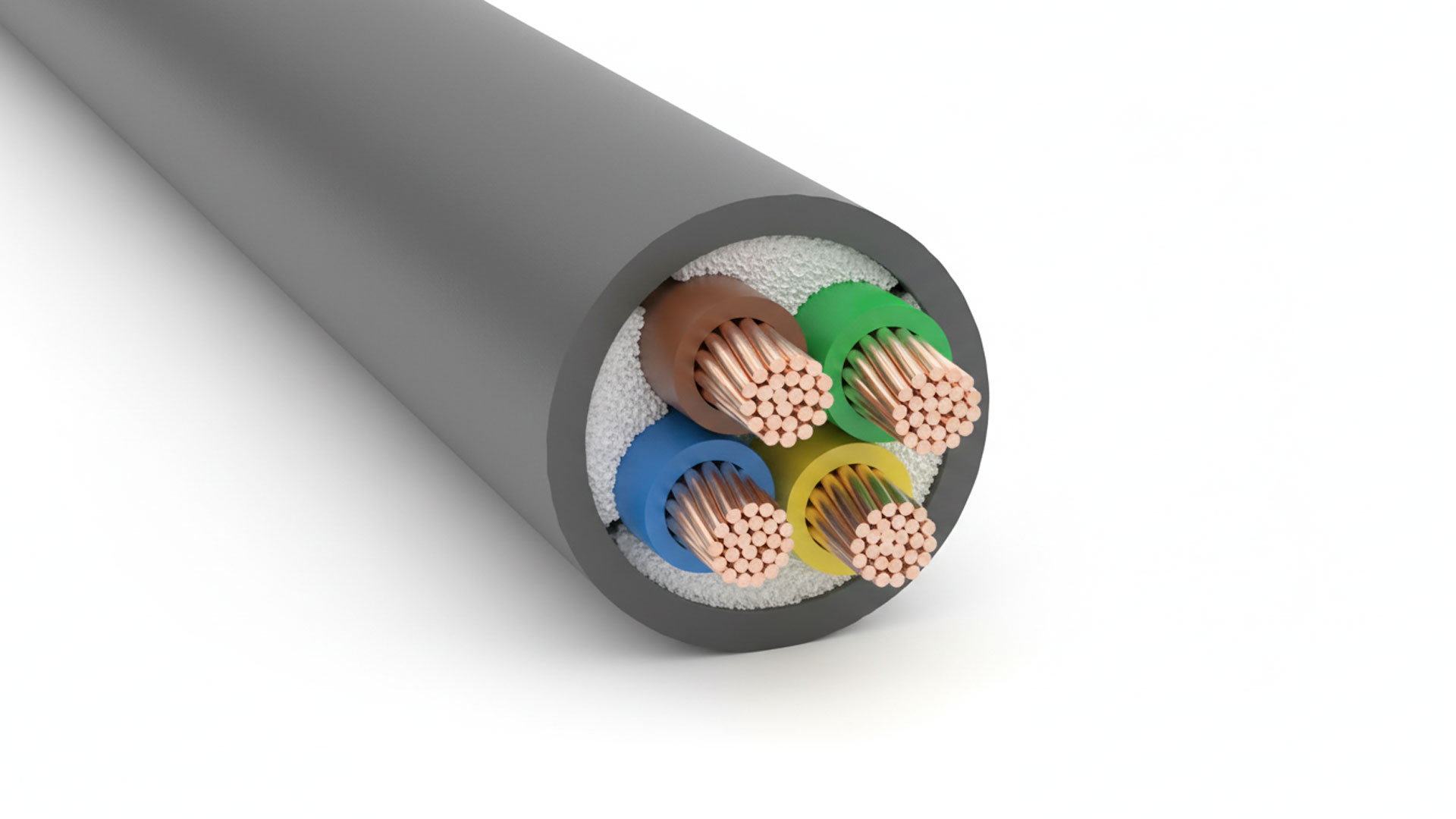
PVC cable compounds are one of the most critical materials in the electricity and communications industry. Cable performance; Plasticizer selection is directly related to stabilizer structure, filler ratio and process parameters.

Read more
High Temperature Plasticizers (TOTM, DOA, TINTM)

High Temperature Plasticizers (TOTM, DOA, TINTM)

Plasticizers used in PVC applications requiring high temperature resistance must offer both long-term thermal stability and low volatility. In this article, we examine the properties of high temperature plasticizers such as TOTM, DOA and TINTM.

Read more
Medical Grade Plasticizers: Requirements and Standards

Medical Grade Plasticizers: Requirements and Standards

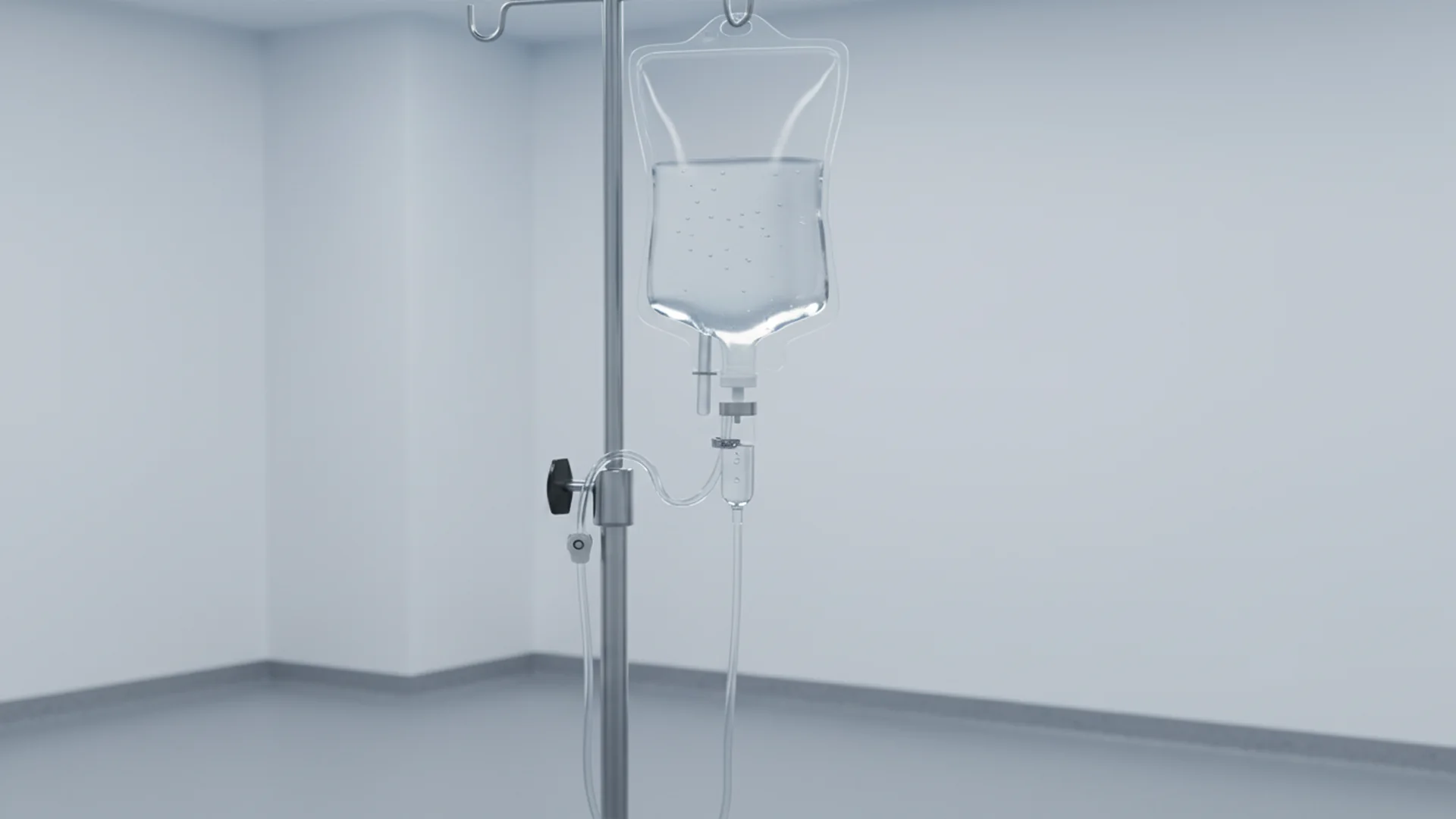
Plasticizers used in medical-grade PVC applications not only provide flexibility and processability; At the same time, it must meet the highest standards in terms of human health, biocompatibility and safety. The choice of plasticizer used in medical products is directly linked to global regulations and clinical requirements.

Read more
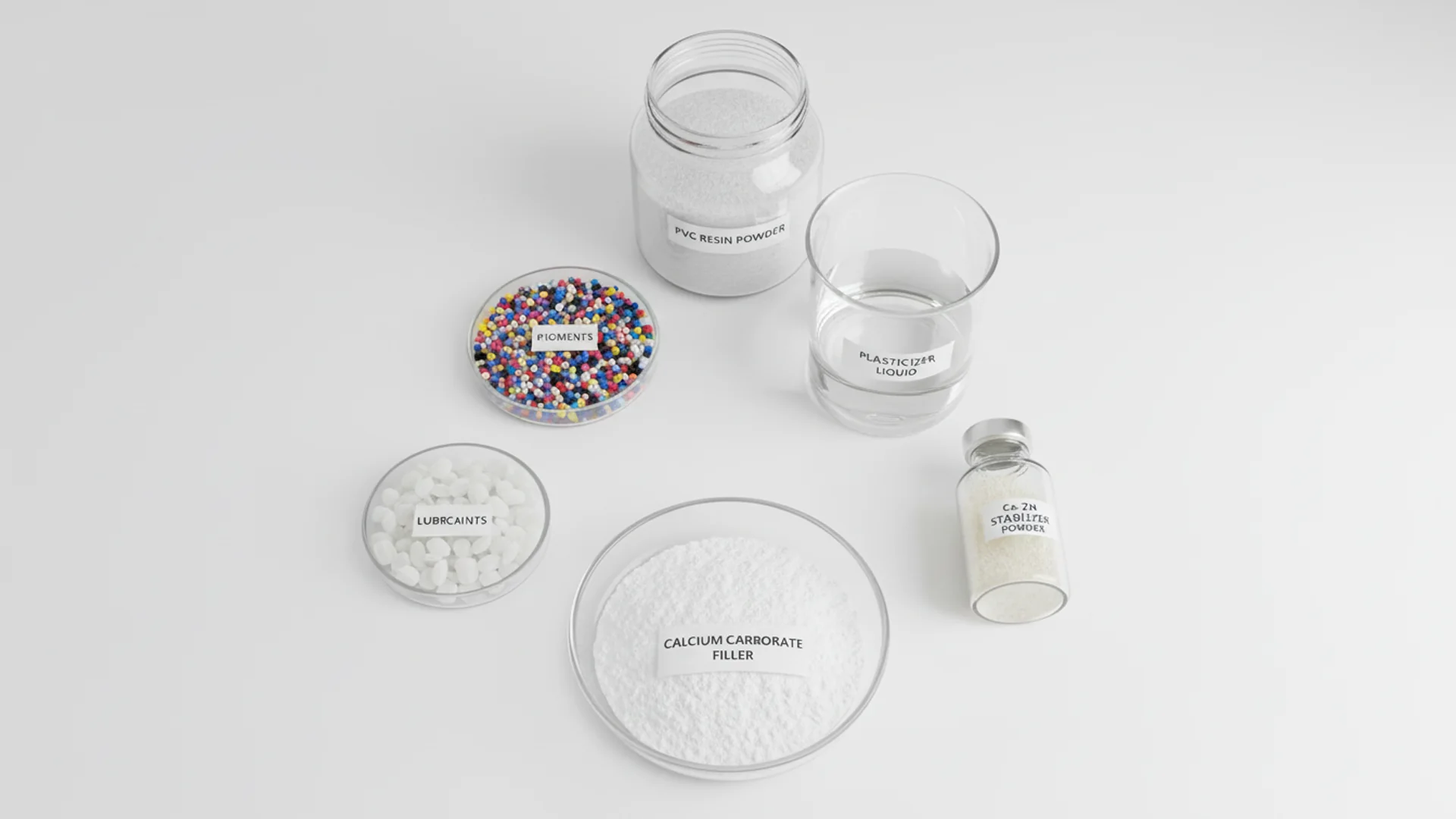
PVC compound additives, PVC formulation components, plasticizer types, PVC stabilizer selection, granule formulation

PVC compound additives, PVC formulation components, plasticizer types, PVC stabilizer selection, granule formulation

PVC compounds are produced with an additive system optimized for different usage areas. Correct formulation is the main determinant of product performance and process efficiency.

Read more
REACH & RoHS Regulations for Plasticizers and Stabilizers

REACH & RoHS Regulations for Plasticizers and Stabilizers

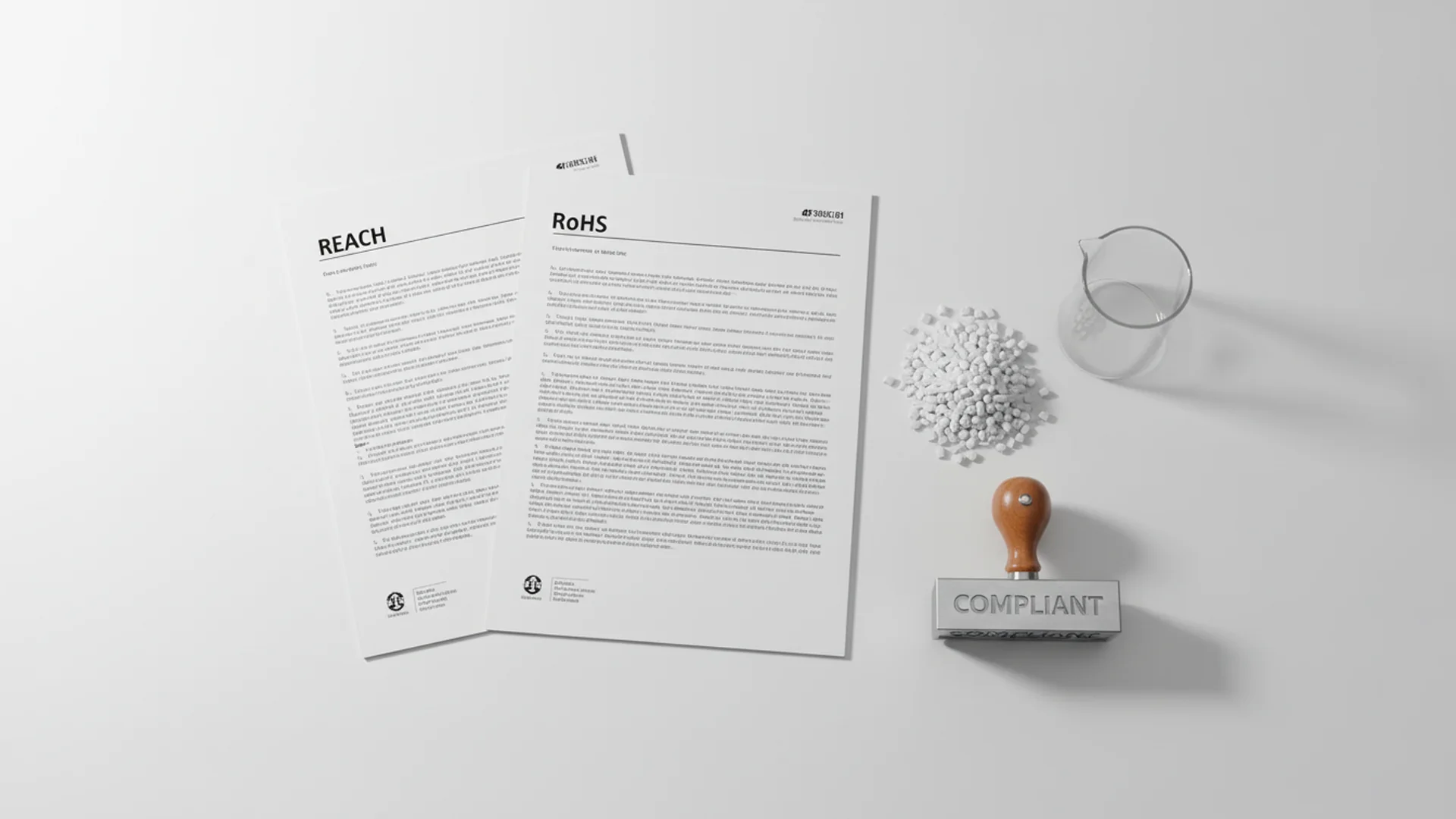
European Union; It implements two basic regulations: REACH and RoHS to increase chemical safety. These two regulations are critical for PVC manufacturers, especially in the selection of plasticizers and stabilizers.

Read more
Differences Between Phthalate and Non-Phthalate Plasticizers

Differences Between Phthalate and Non-Phthalate Plasticizers

Plasticizers are the main additives that increase the flexibility of PVC. However, today the most important distinction is between phthalate and non-phthalate plasticizers. This difference is decisive in many areas, from product safety to export standards.

Read more
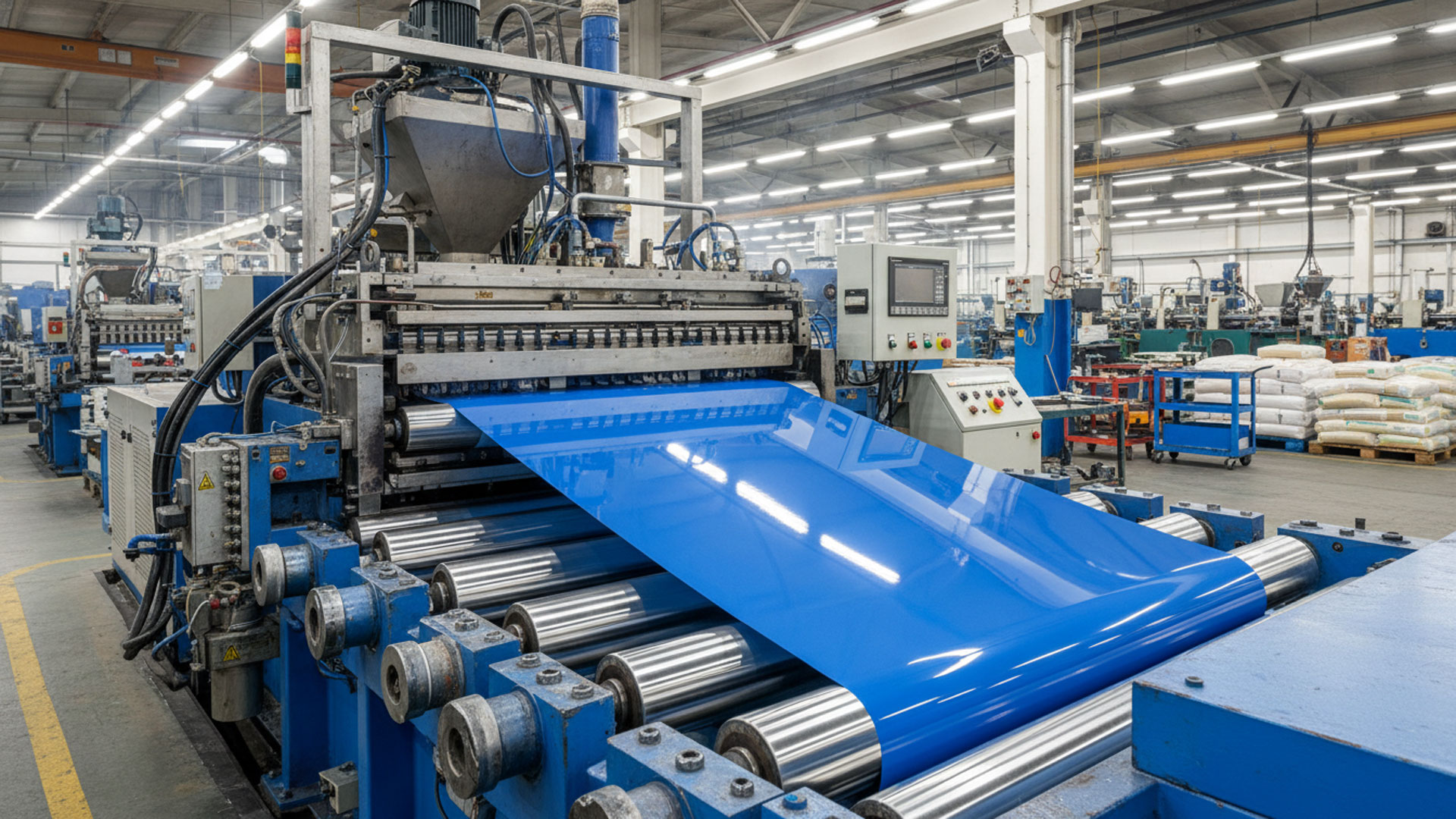
What is PVC Compound? Applications, Advantages and Production Stages

What is PVC Compound? Applications, Advantages and Production Stages

PVC compound; It is a ready-to-use formulation created by blending PVC resin with plasticizers, stabilizers, fillers, lubricants and pigments in certain proportions.

Read more
Calcium-Zinc (Ca-Zn) Stabilizers: Safe, Sustainable and High Performance PVC Solutions

Calcium-Zinc (Ca-Zn) Stabilizers: Safe, Sustainable and High Performance PVC Solutions

PVC tends to degrade when processed at high temperatures. This thermal decomposition; It causes color change, odor, smoke, weakening of mechanical properties and decrease in surface quality. Stabilizers protect PVC in this process and ensure stable processing.

Read more
What is Plasticizer? Comprehensive Guide to PVC and Industrial Applications

What is Plasticizer? Comprehensive Guide to PVC and Industrial Applications

Plasticizers; They are performance additives used to increase the flexibility, softness and processability of polymers, especially PVC. PVC without added plasticizer is inherently rigid and difficult to shape. Plasticizers enter the polymer matrix and reduce the interaction between chains, thus making PVC more flexible and easily processable.

Read more