PVC Cable Compound Properties
PVC cable compounds are one of the most critical materials in the electricity and communications industry. Cable performance; Plasticizer selection is directly related to stabilizer structure, filler ratio and process parameters.
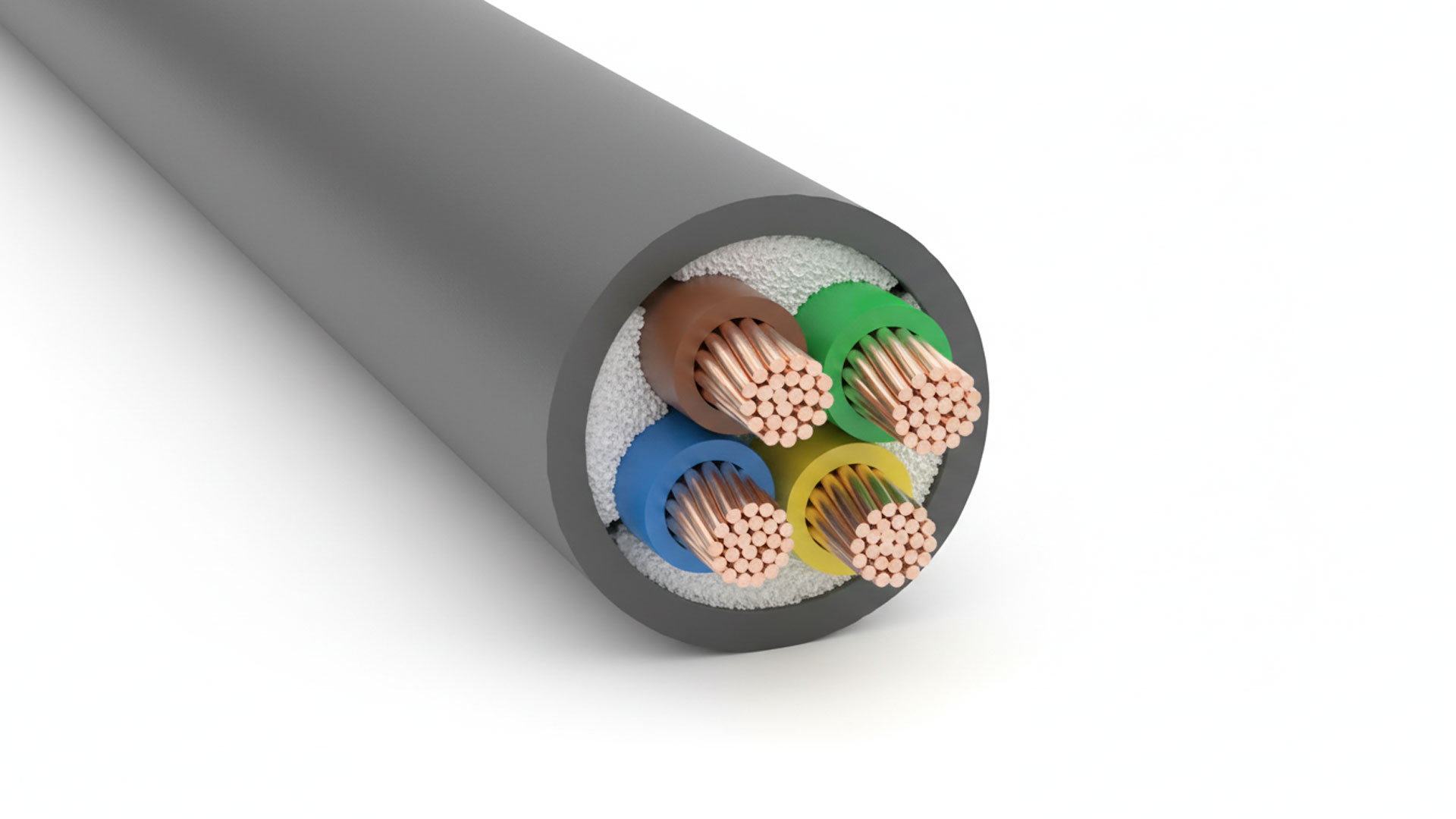
PVC cable compounds are one of the most critical materials in the electricity and communications industry. Cable performance; Plasticizer selection is directly related to stabilizer structure, filler ratio and process parameters.
1. Mechanical Properties
• Flexibility and Impact Resistance
Cable compounds formulated with DOTP or DINP provide high flexibility even at low temperatures provides.
• Tensile and Tensile Strength
The combination of correct K-value PVC resin and Ca-Zn stabilizer provides high tensile strength.
2. Electrical Properties
• Insulation
PVC is naturally a good insulator; stabilizer and filler ratio can make or break this.
• Dielectric Strength
UL/CE of cable compounds critical for compliance with standards.
3. Thermal Properties
TOTM/TINTM for high temperature resistance
DOA for low temperature flexibility
Thermal aging resistances are important
4. Flame Retardant (Optional)
Achieved by combinations of antimony trioxide + chlorinated paraffin + Ca-Zn.
Result
Cable performance, It depends on the quality of the additives used in the compound and the correct formulation. The right compound means the right application.