PVC Stabilizatör Hataları ve Çözüm Yöntemleri
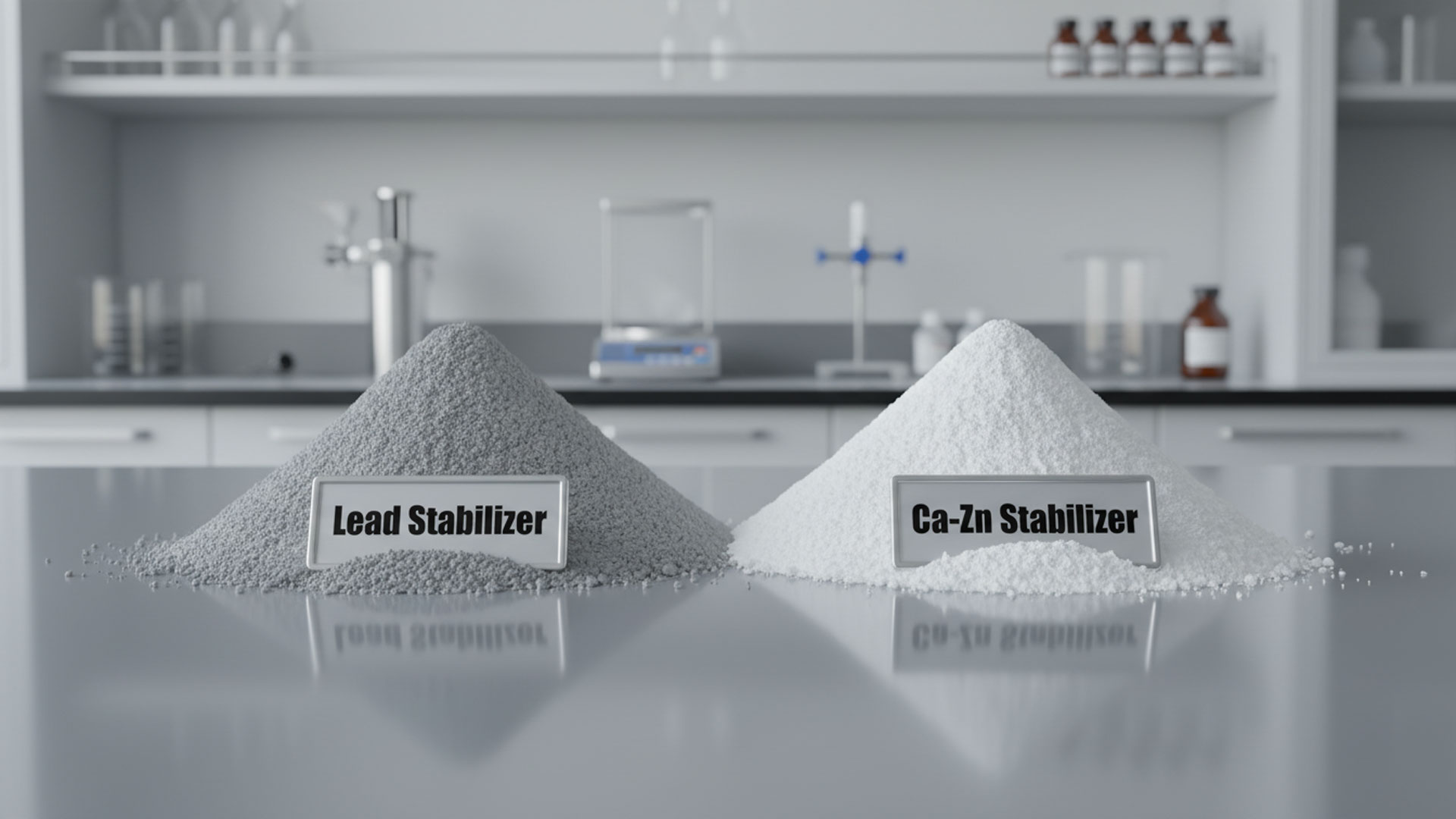
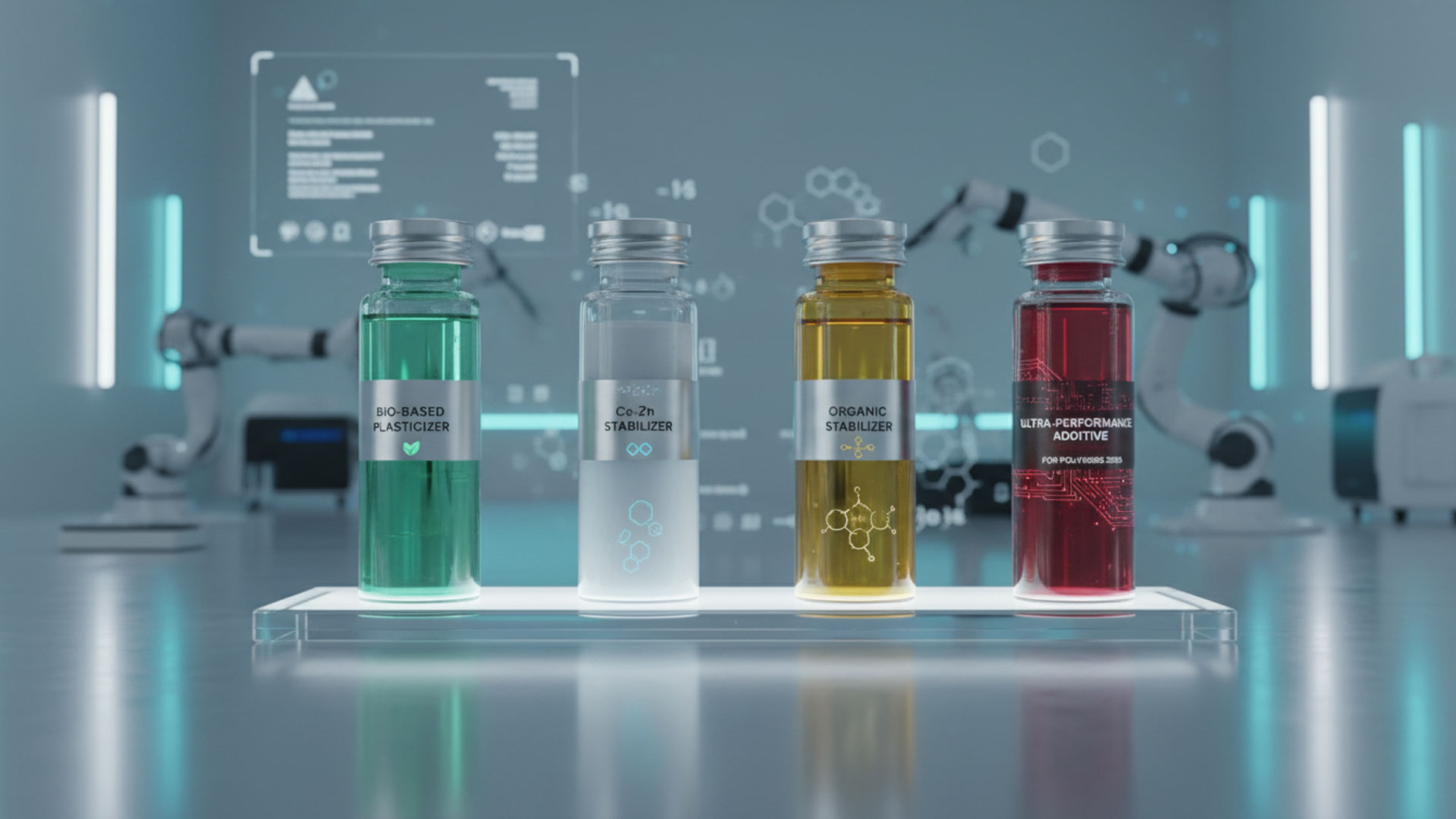
PVC üretiminde stabilizatör seçimi ve dozajı kritik öneme sahiptir. Yanlış stabilizatör kullanımı; renk değişimi, yanma, plak oluşumu, koku ve mekanik performans düşüşü gibi sorunlara yol açabilir.
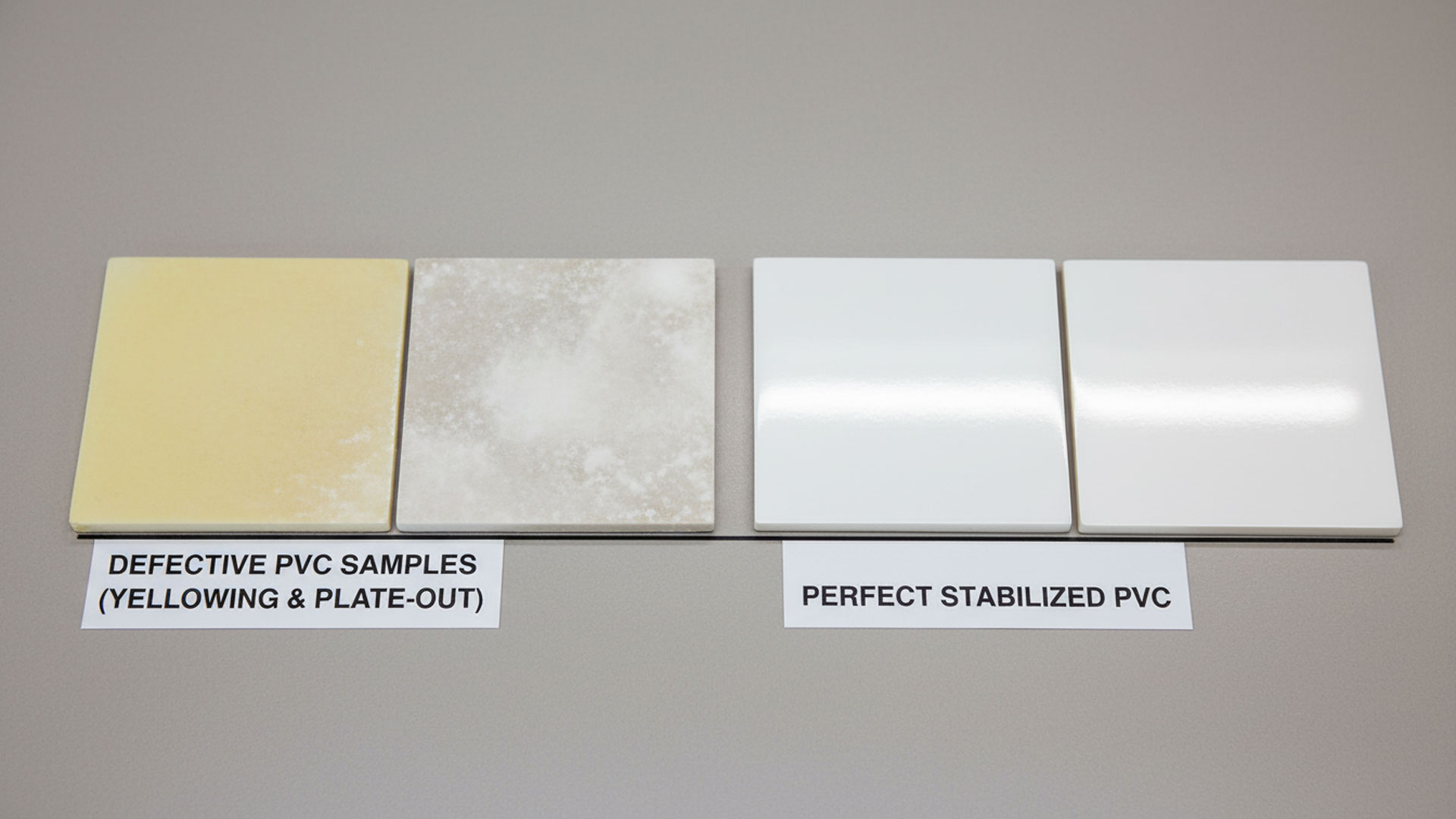
PVC üretiminde stabilizatör seçimi ve dozajı kritik öneme sahiptir. Yanlış stabilizatör kullanımı; renk değişimi, yanma, plak oluşumu, koku ve mekanik performans düşüşü gibi sorunlara yol açabilir.
1. Yaygın Stabilizasyon Problemleri
1) Sararma / Renk Bozulması
Nedenleri:
Stabilizatör dozajının düşük olması
Yanlış Ca-Zn oranı
Yüksek sıcaklıkta uzun kalma
Uygun olmayan yağlayıcı
Çözüm:
Ca-Zn veya organik stabilizatör dozajını optimize et
İşlem sıcaklıklarını düşür
Yağlayıcı sistemini revize et
2) Plak Oluşumu (Plate-out)
Nedenleri:
Düşük ısı stabilitesi
Uçucu bileşen fazla olması
Kayganlaştırıcı uyumsuzluğu
Çözüm:
Daha yüksek stabiliteye sahip Ca-Zn karışımlar
Modifiye yağlayıcı sistemleri
Düşük uçuculuklu plastifiyanlar
3) Koku ve Gaz Çıkışı
Nedenleri:
Uyumlu olmayan plastifiyan
Yetersiz stabilizasyon
Düşük safiyetli hammaddeler
Çözüm:
DOTP / TOTM gibi daha kararlı sistemler
VOC seviyesi düşük stabilizatörler
Daha saf PVC reçine
4. Mekanik Performans Kaybı
Aşırı stabilizatör → kırılganlık
Eksik stabilizatör → yumuşama, zayıflama
Sonuç
PVC stabilizasyonundaki sorunlar, doğru stabilizatör seçimi ve proses kontrolleri ile kolayca giderilebilir.