PVC compound additives, PVC formulation components, plasticizer types, PVC stabilizer selection, granule formulation
PVC compounds are produced with an additive system optimized for different usage areas. Correct formulation is the main determinant of product performance and process efficiency.
PVC compounds are produced with an additive system optimized for different usage areas. Correct formulation is the main determinant of product performance and process efficiency.
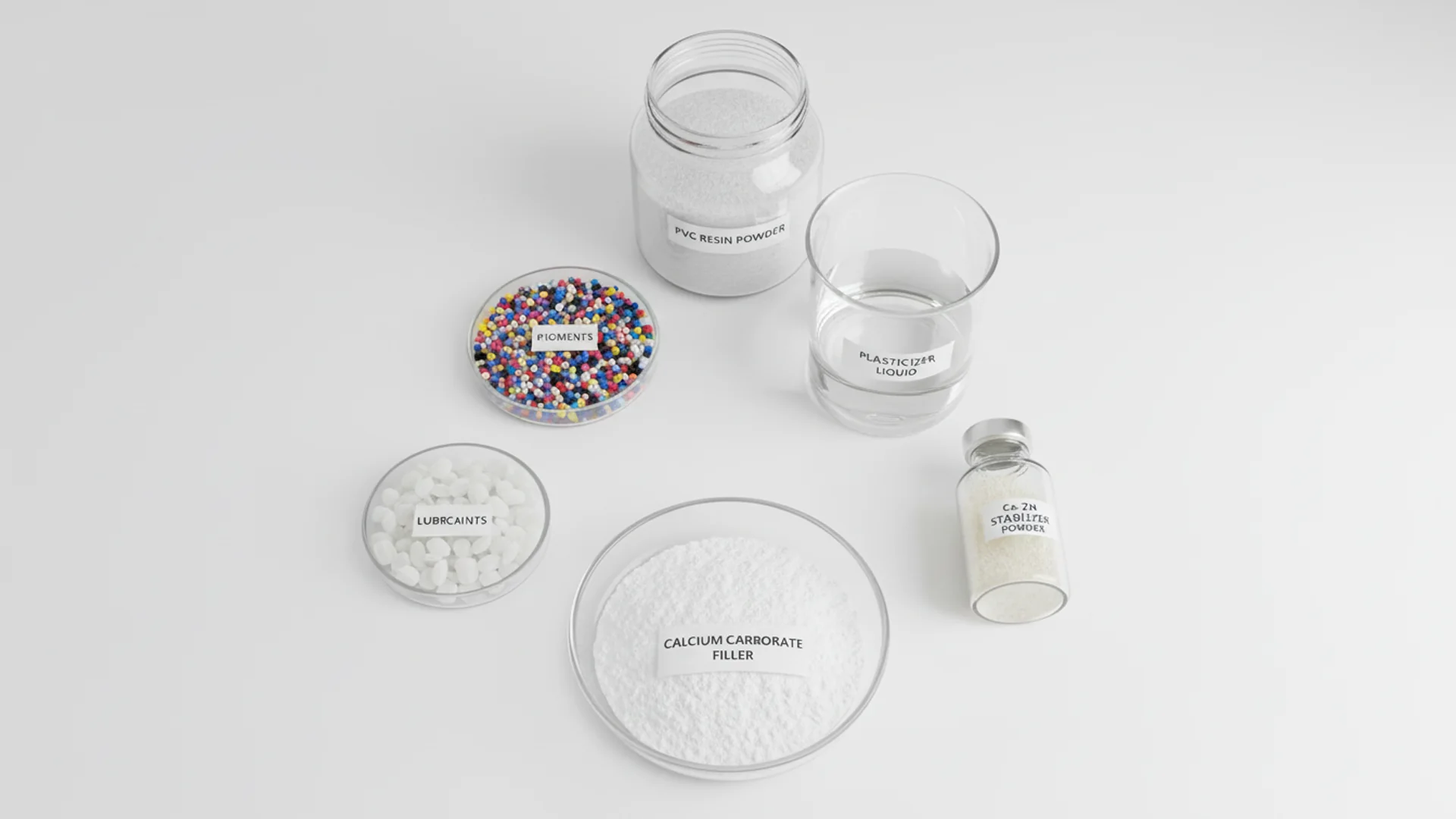
1. Basic Components of PVC Compound
1) PVC Resin (K-Value)
K65–67: flexible applications
K58–60: transparency
K70–74: medical & high flexibility
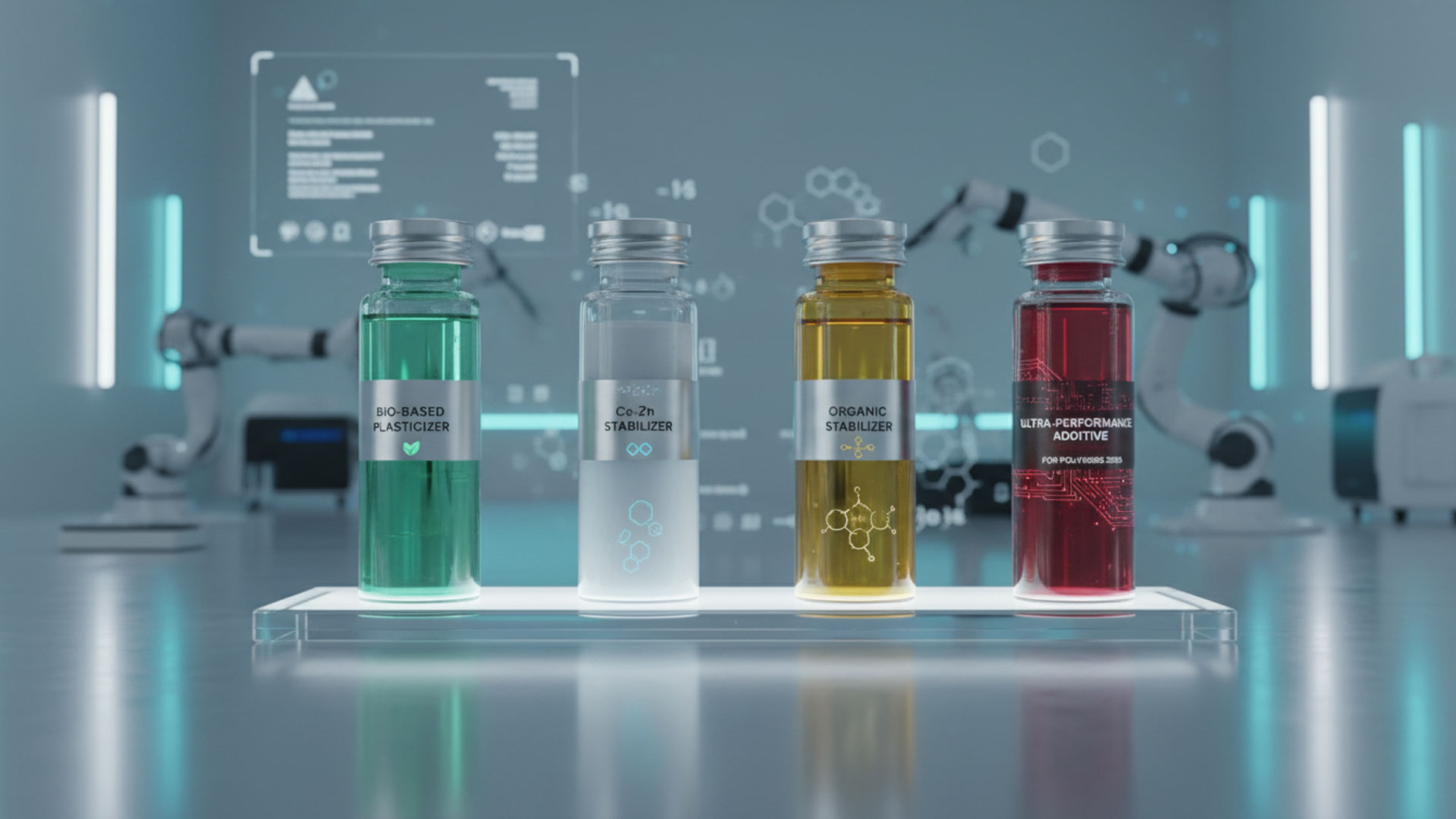
2) Plasticizers
It affects the softness and processing behavior of the compound.
DOTP: general purpose
DINP: cable & hose
TOTM: high temperature
Benzoate: rapid fusion
3) Stabilizers
Heat resistance and Provides color stability.
Ca-Zn: lead-free standard
Tin stabilizer: transparent applications
4) Fillers (Calcite, talc)
Reduces cost
Optimizes mechanical strength
5) Lubricants
Process stability
Surface quality
Easy release from the mold
6) Pigments
Color consistency
UV resistance
2. Formulation Examples Based on Application
Cable Compound
DOTP / DINP
Ca-Zn stabilizer
Flame retardant (optional)
Calcite
Medical Compound
Phthalate-free plasticizer (DINCH / TOTM)
Tin stabilizer
Low filler for transparency
Shoes Base
DOTP + benzoate mixture
High K value PVC
Calcite and lubricants
3. Effects of Incorrect Formulation
High migration
Color yellowing
Loss of process stability
Ebrittleness
Decrease in flame resistance
Result
PVC compound formulation, every application It is a precision engineering process that must be optimized for The right additives = high performance + low cost + sustainable production.