Differences Between Phthalate and Non-Phthalate Plasticizers
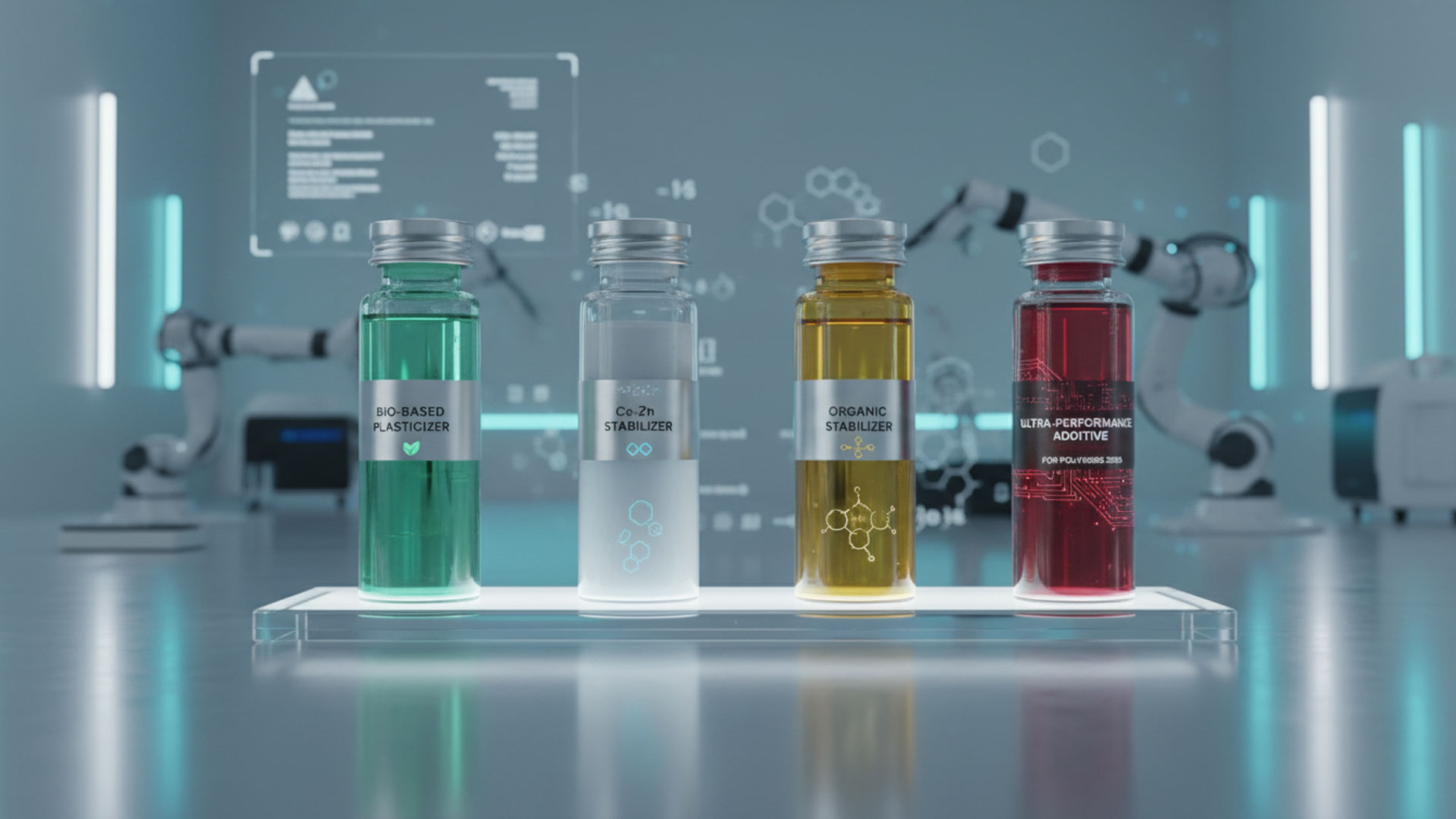
Plasticizers are the main additives that increase the flexibility of PVC. However, today the most important distinction is between phthalate and non-phthalate plasticizers. This difference is decisive in many areas, from product safety to export standards.
Plasticizers are basic additives that increase the flexibility of PVC. However, today the most important distinction is between phthalate and non-phthalate plasticizers. This difference is decisive in many areas, from product safety to export standards.
1. Phthalate Plasticizers (Phthalates)
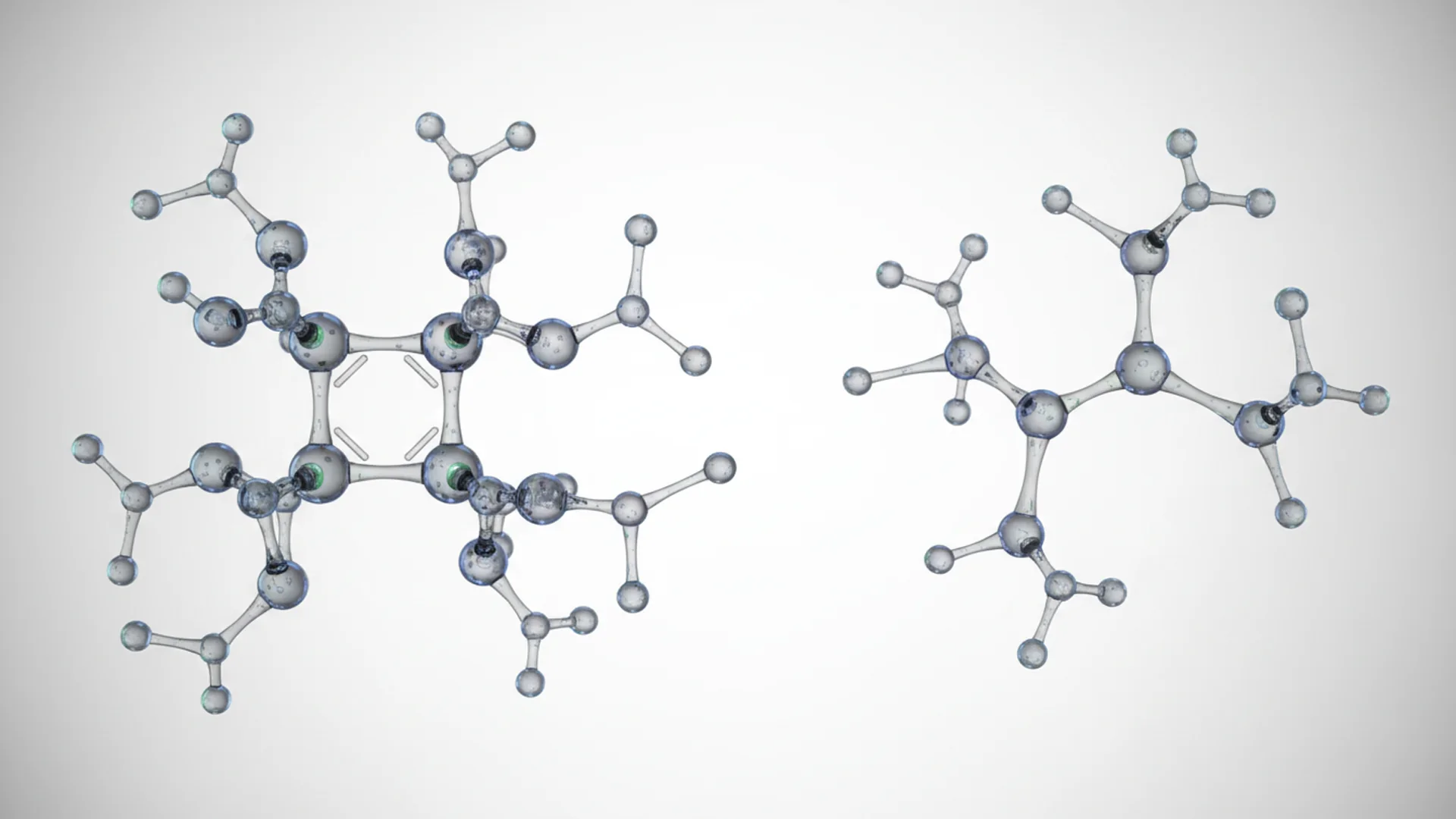
Chemical structure:
They are ortho-phthalic acid esters.
Advantages:
Lower cost
Wide processing window
It has been used in the industry for many years
Disadvantages:
Restrictions on some species in the EU (DEHP, DBP, BBP)
Banned in the toy and medical sectors
Food contact cannot be used
Example Phthalate Types:
DOP / DEHP
DINP
DIDP
2. Non-Phthalates
Chemical structure:
Consists of esters or alternative formulas other than ortho-phthalic acid.
Advantages:
REACH & RoHS compliant
Toys, medical and food contact safe
Low migration
Better long-term aging resistance
Sample Phthalate-free Types:
DOTP
TOTM
DINCH
Adipate & Benzoate derivatives
3. To compare Table
| Feature | Phthalate | Phthalate-free |
|---|---|---|
| Regulatory compliance | Restricted | Fully compatible |
| Cost | More low | Medium |
| Migration | Medium/High | Low |
| Area of use | General industry | Medical, toys, food |
| Odor / volatility | Read More pronounced | Low |
4. Which Sector Should Use What?
Medical: completely phthalate-free
Food contact: phthalate-free
Cable: DINP/DOTP/TOTM
Hose: DOTP / DINP
Artificial leather: DOTP / benzoate mixtures
Conclusion
The world market is rapidly turning towards phthalate-free plasticizers. Sustainability, regulations and customer security make this transition mandatory.