Reach & RoHS Legislation for Plasticizers and Stabilizers
The European Union carries out two basic regulations, reach and RoHS, to increase chemical safety. For PVC manufacturers, these two regulations are especially critical in the selection of plasticizers and stabilizers.
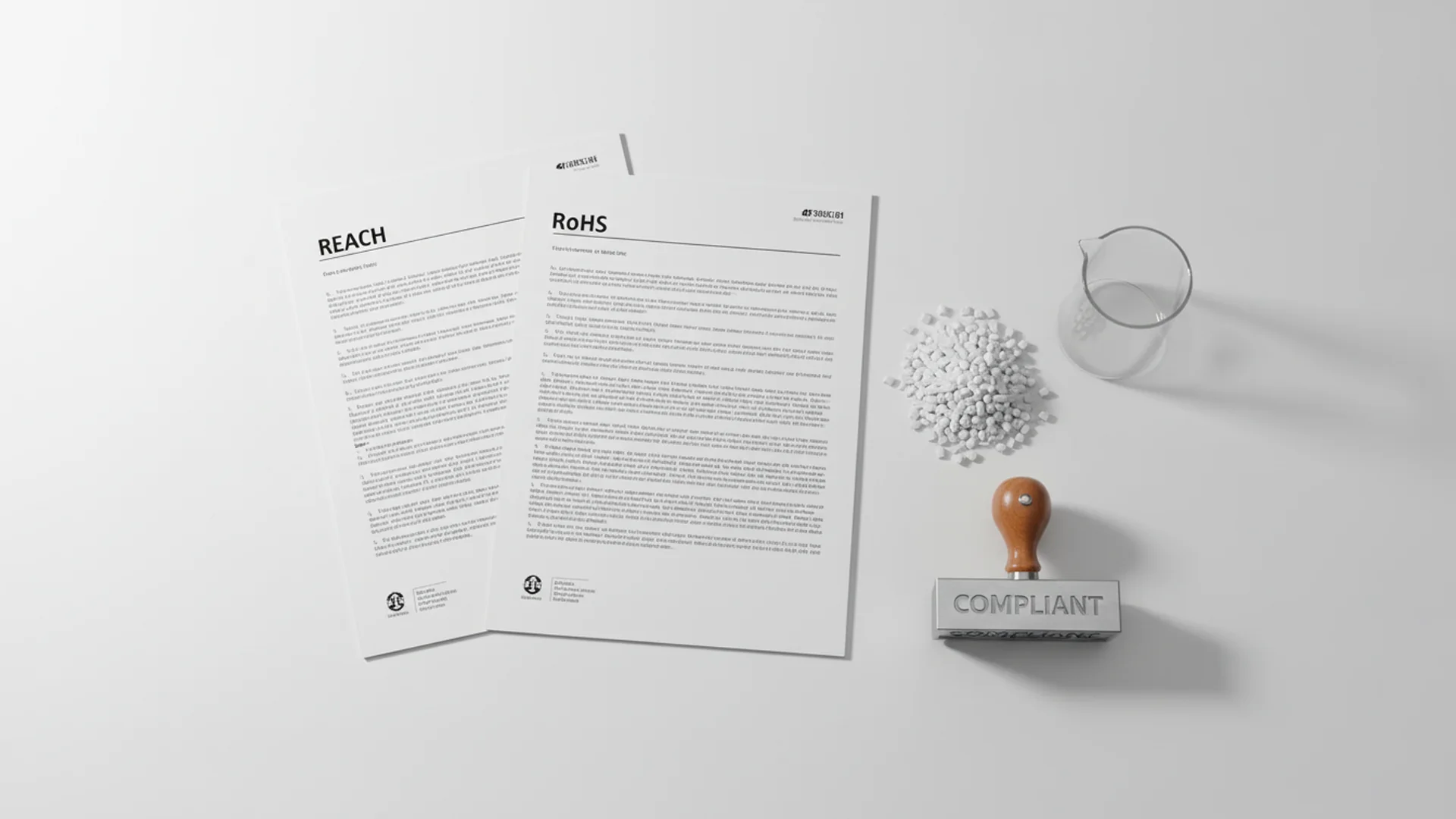
The European Union carries out two basic regulations, reach and RoHS, to increase chemical safety. For PVC manufacturers, these two regulations are especially critical in the selection of plasticizers and stabilizers.
1. What is reach?
Registration, Evaluation, Authorization and Restriction of Chemicals
The main areas affected by reach for PVC additives are:
SVHC list (high concern excitatory substances)
Restrictions (Annex XVII)
Authorization processes (Annex XIV)
Reach status for plasticizers
DEHP, DBP, BBP, DIBP: Restricted
DOP (DEHP): on SVHC list
DOTP, TOTM, DINCH: Compliant
DINP/DIDP: Some limitations exist (in toys)
Reach for stabilizers
Lead stabilizers: Banned
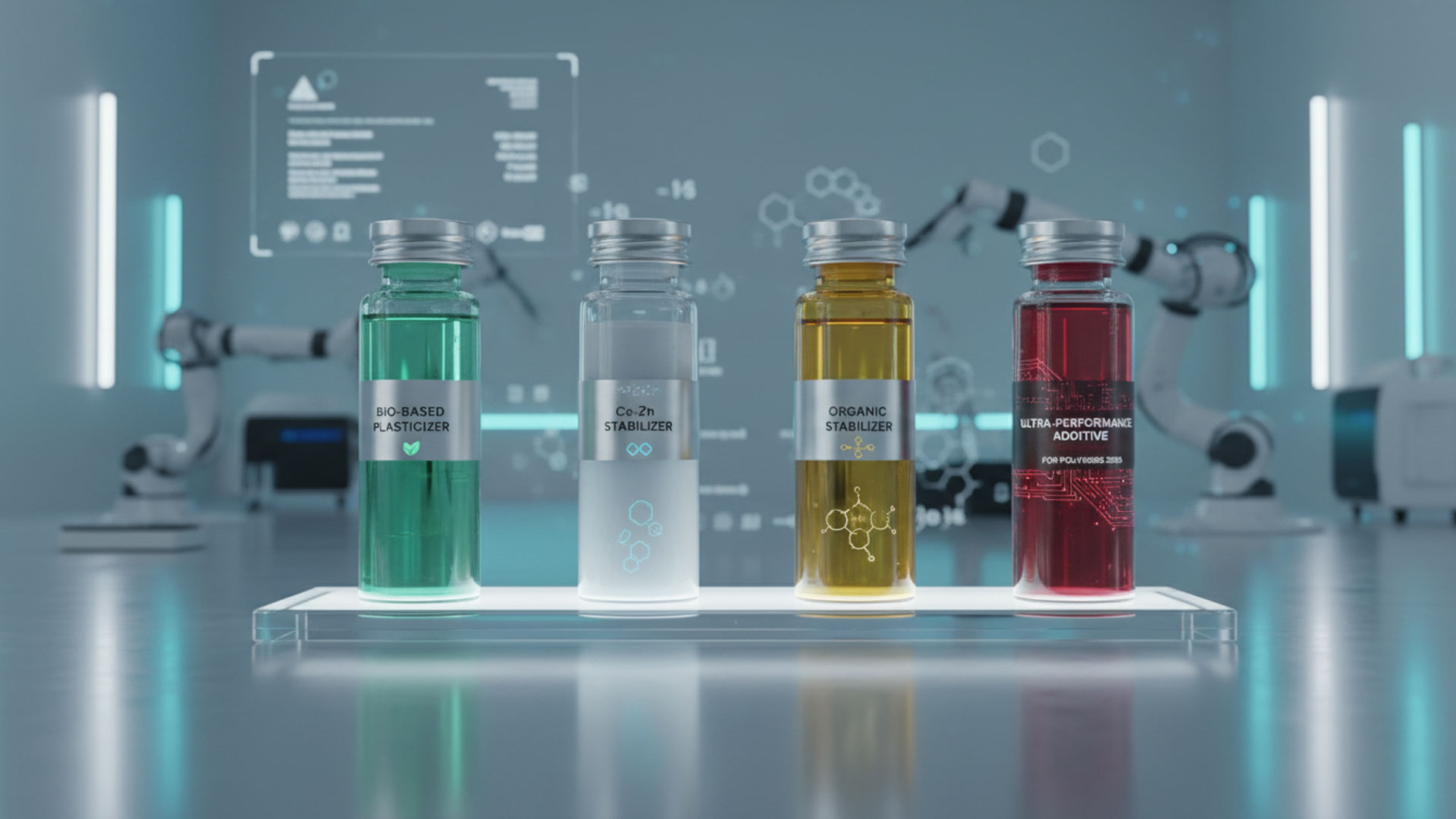
Ca-Znstabilizers: reach fully compliant
2. What is RoHS?
Restriction of Hazardous Substances
It covers substances prohibited for use in electrical and electronic products.
Especially in PVC components important:
Lead (Pb)
Cadmium (Cd)
Mercury (Hg)
Hexavalent chromium
RoHS Compliance for PVC
Lead stabilizer: Non-compliant with RoHS
Ca-Znstabilizer: Fully compatible
Phthalate-free plasticisers: Fully compatible
DINP/DIDP: Industry-dependent there may be limitations
Things to Consider for Export
Every company that will export to Europe should pay attention to the combination of reach + RoHS + FDA.
Inappropriate plasticizer = risk of shipment rejection.
RoHS certificate is mandatory for CE products.
Supplier MSDS + TDS certificates are constantly up-to-date should be.
Conclusion
Thechoice of plasticizer and stabilizer is not only a technical but also a strategic decision that requires regulatory compliance.